
Halal certification, step by step
A label recognised by the OIC and the AICHA network, issued after real control of your materials, your processes and your site.
Certification in 5 steps
From your application to the final decision, every step is supervised by our auditors.
- 1
Your application
HCIchecks your file and replies within 48 working hours.
Youcomplete the online application, then the submission form with your file.
- 2
The offer and the contract
HCIsends you a free, no-obligation quote.
Yousign the contract and pay the deposit, which starts the audit planning.
- 3
The documentary audit
HCIreviews your halal assurance system, materials, suppliers, recipes and labels.
Youcorrect the points raised before the visit.
- 4
The on-site audit
HCItwo auditors, one technical and one Islamic affairs expert, walk through receiving, production, storage and shipping.
Youaddress any non-conformities through corrective actions.
- 5
The decision and the certificate
HCIa committee reviews the file and issues a reasoned decision.
Youreceive your certificate with a QR code, entered in the public register, followed by yearly monitoring.
The sectors we certify
From production to distribution, we certify every stage of the halal chain.
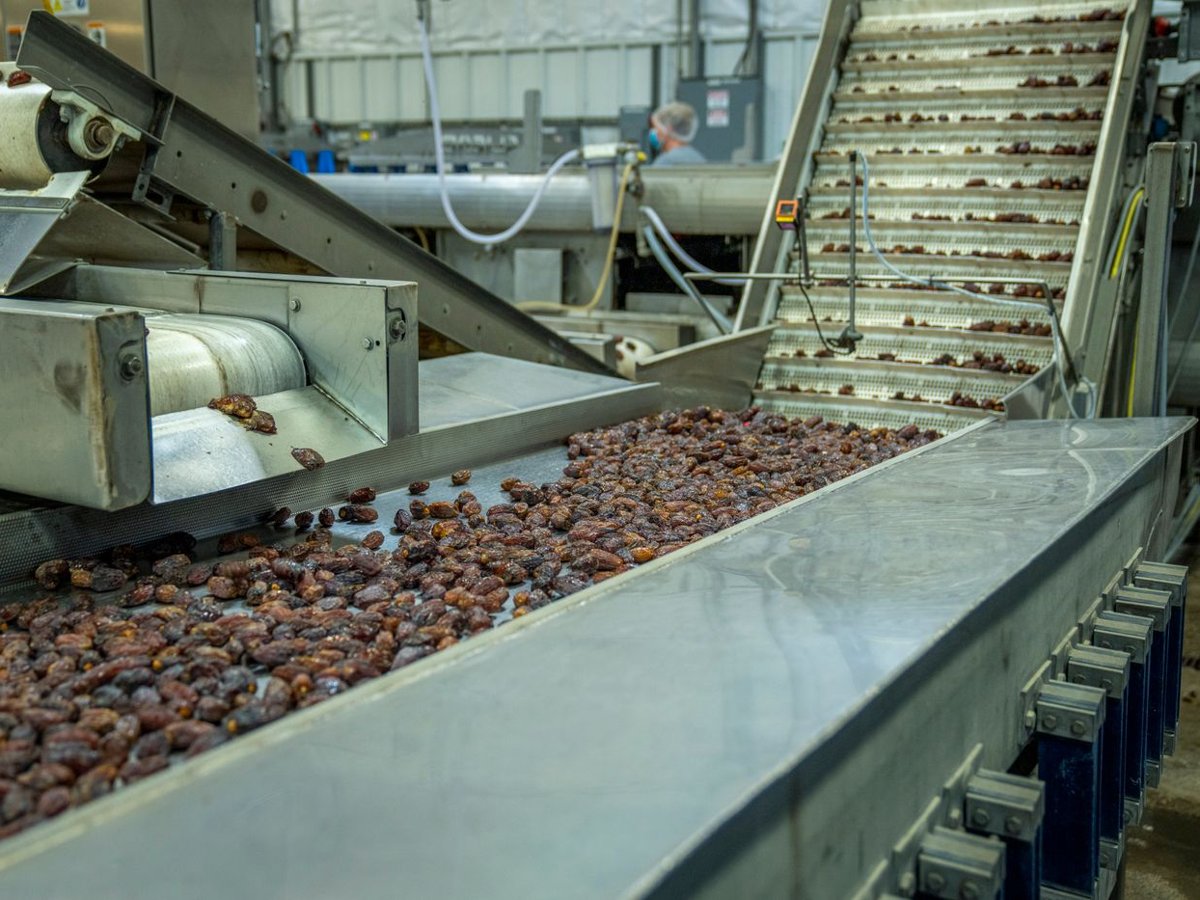
Food processing
Processing industries, ingredients, beverages.
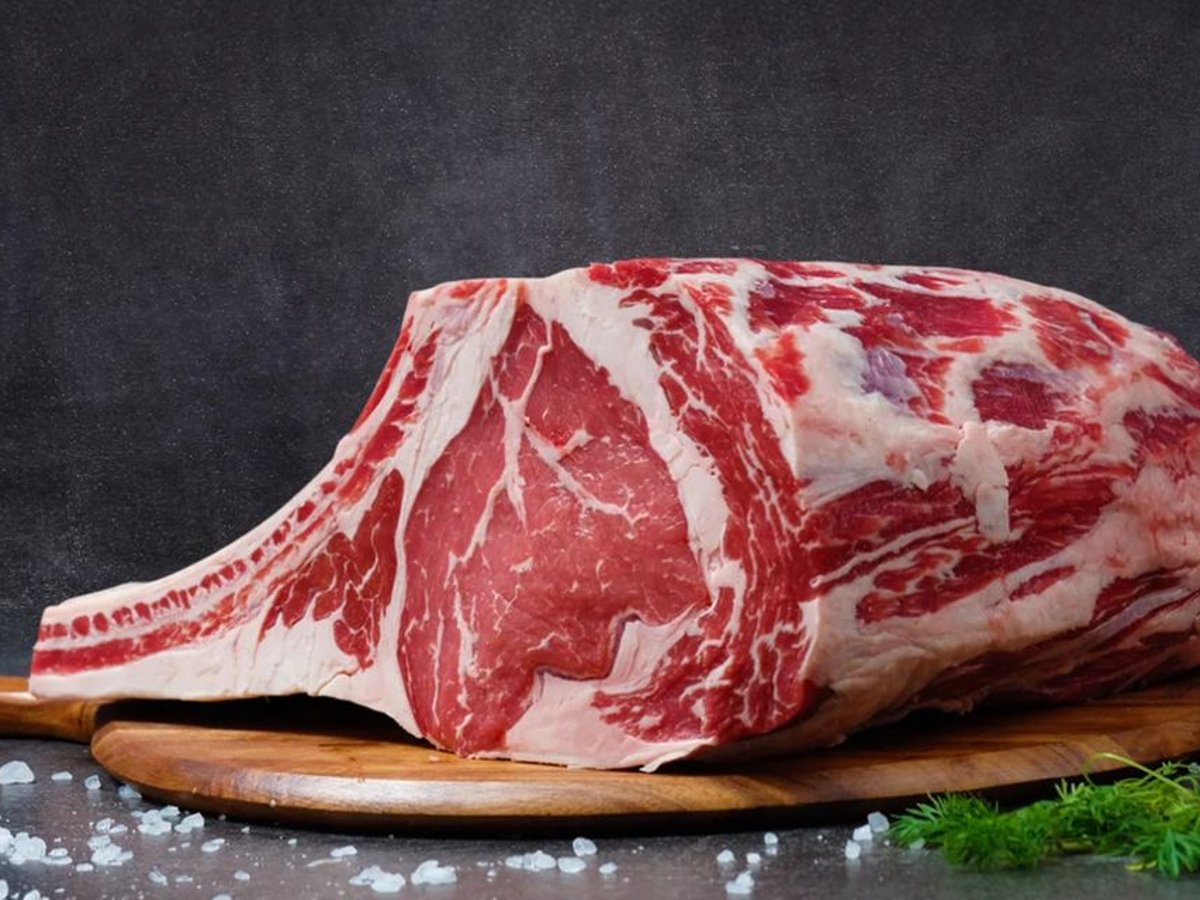
Slaughterhouses & butchers
Ritual slaughter, cutting, meat distribution.
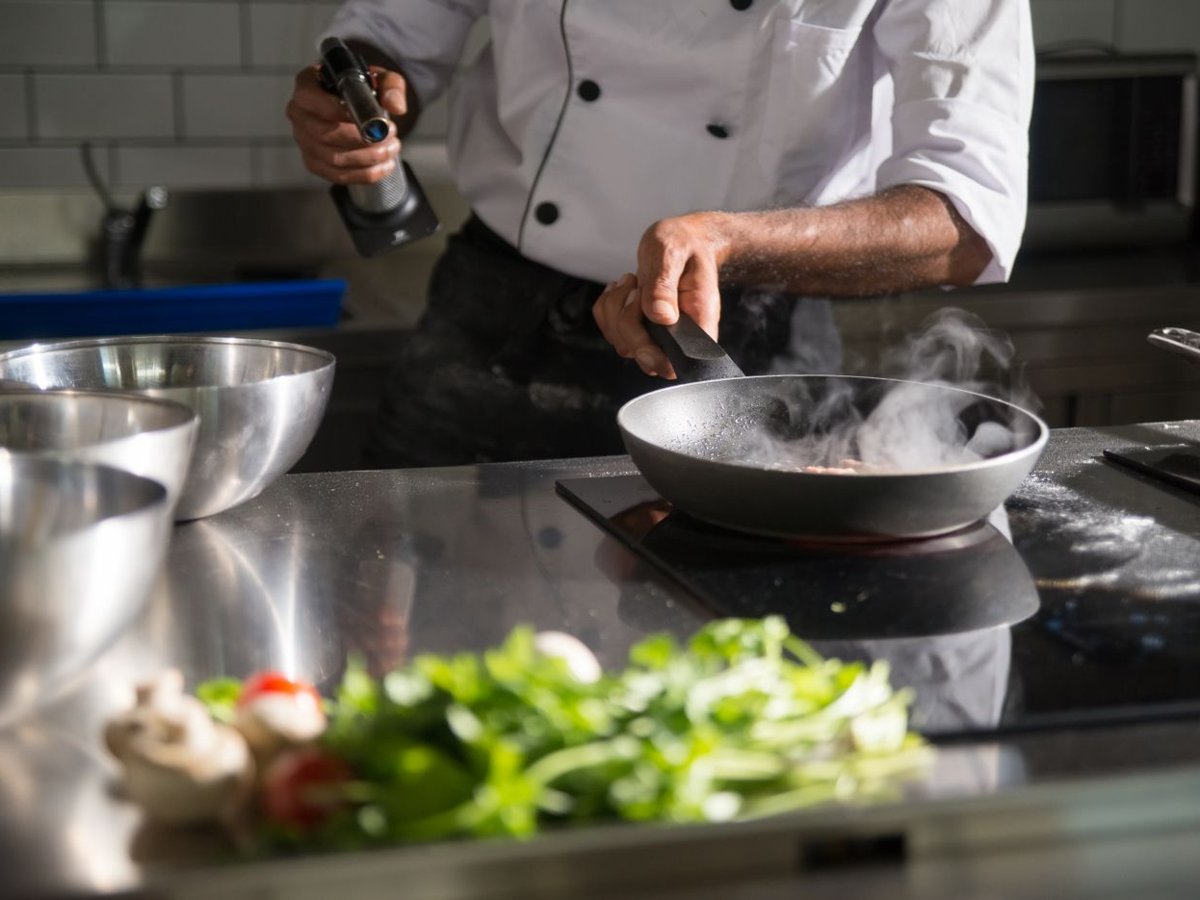
Catering
Restaurants, caterers, collective and airline catering.
Cosmetics
Hygiene and beauty products.

Pharmaceuticals
Supplements and pharmaceutical products.
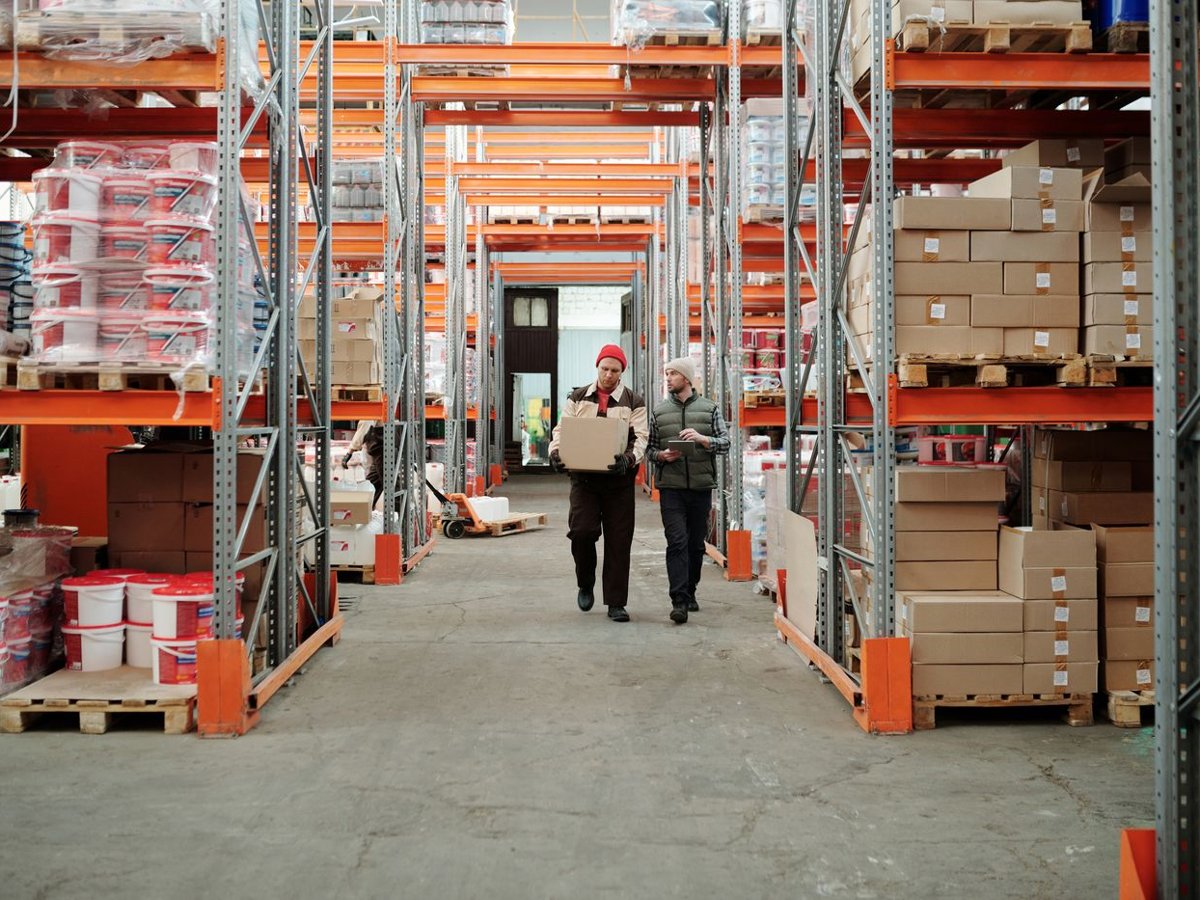
Logistics
Warehousing and cold chain.
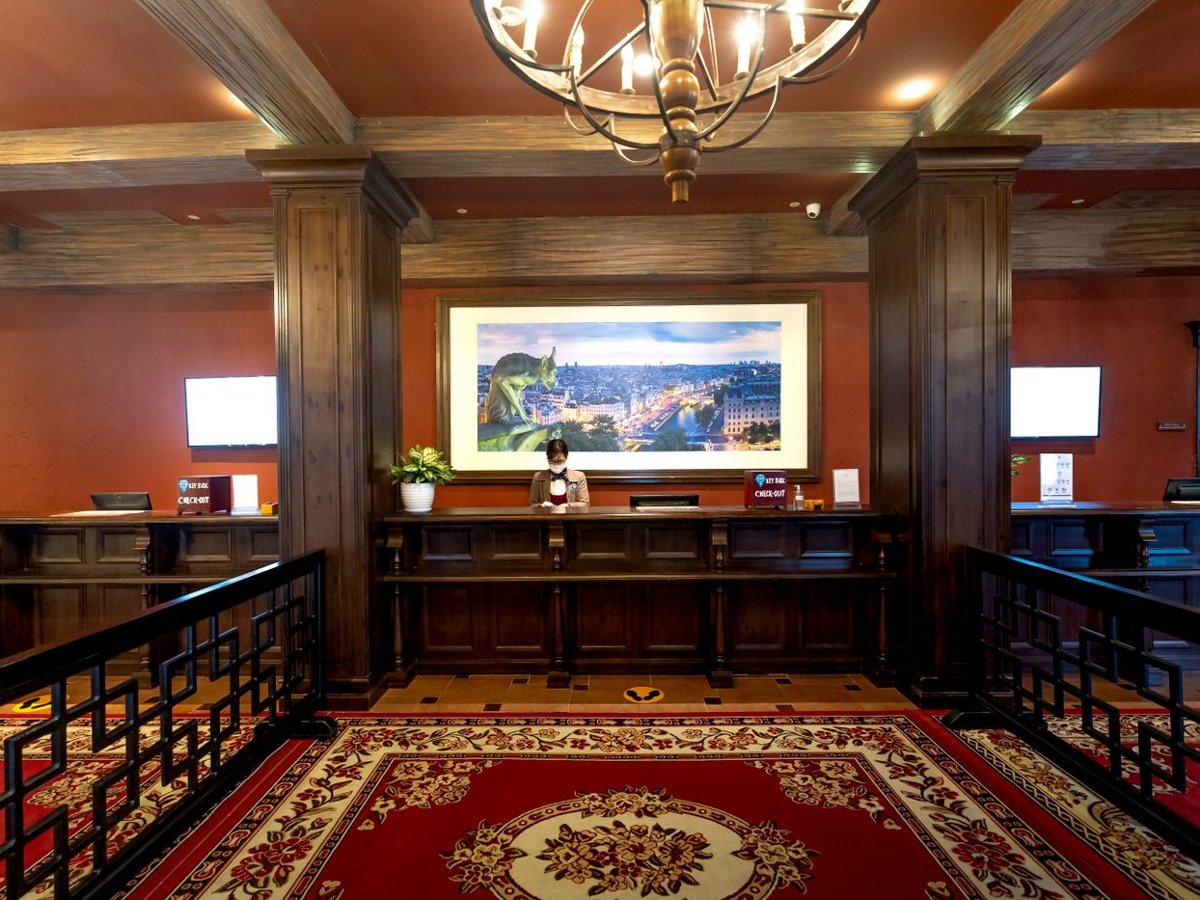
Tourism & hospitality
Hotels and halal hospitality services.
Islamic finance
Support for compliant products.
The standards we rely on
SMIIC 1
The OIC standard. General requirements for halal food, the reference for member countries of the Organisation of Islamic Cooperation.
GSO 2055
The Gulf countries. The halal standard of the Gulf Cooperation Council, essential for exporting to this region.
MS 1500
The Malaysian standard. Malaysia’s halal standard, recognised in Asian markets.
HCI Standard
Our specifications. The requirements specific to Halal Côte d’Ivoire, adapted to West African sectors.
A certificate recognised worldwide
The Halal Côte d’Ivoire certificate opens markets well beyond West Africa. It is based on the reference halal standards of the Muslim world: SMIIC 1 of the Organisation of Islamic Cooperation (57 member countries), GSO 2055 of the Gulf countries and MS 1500 of Malaysia.
SMIIC (OIC)
Member of the Standards and Metrology Institute for Islamic Countries, attached to the Organisation of Islamic Cooperation.
World Halal Council
Member of the World Halal Council, which brings together halal certification bodies on every continent.
CLACH
Member of the Latin American Halal Certification Committee.
AICHA
Member of AICHA, whose members mutually recognise their certificates in Senegal, Mali, Burkina Faso, Niger, Togo, Benin and Guinea.
Our clients export with their HCI certificate to Africa, Europe, the Middle East and Asia. Before exporting to a country that keeps its own list of approved bodies, our teams tell you which steps to follow.
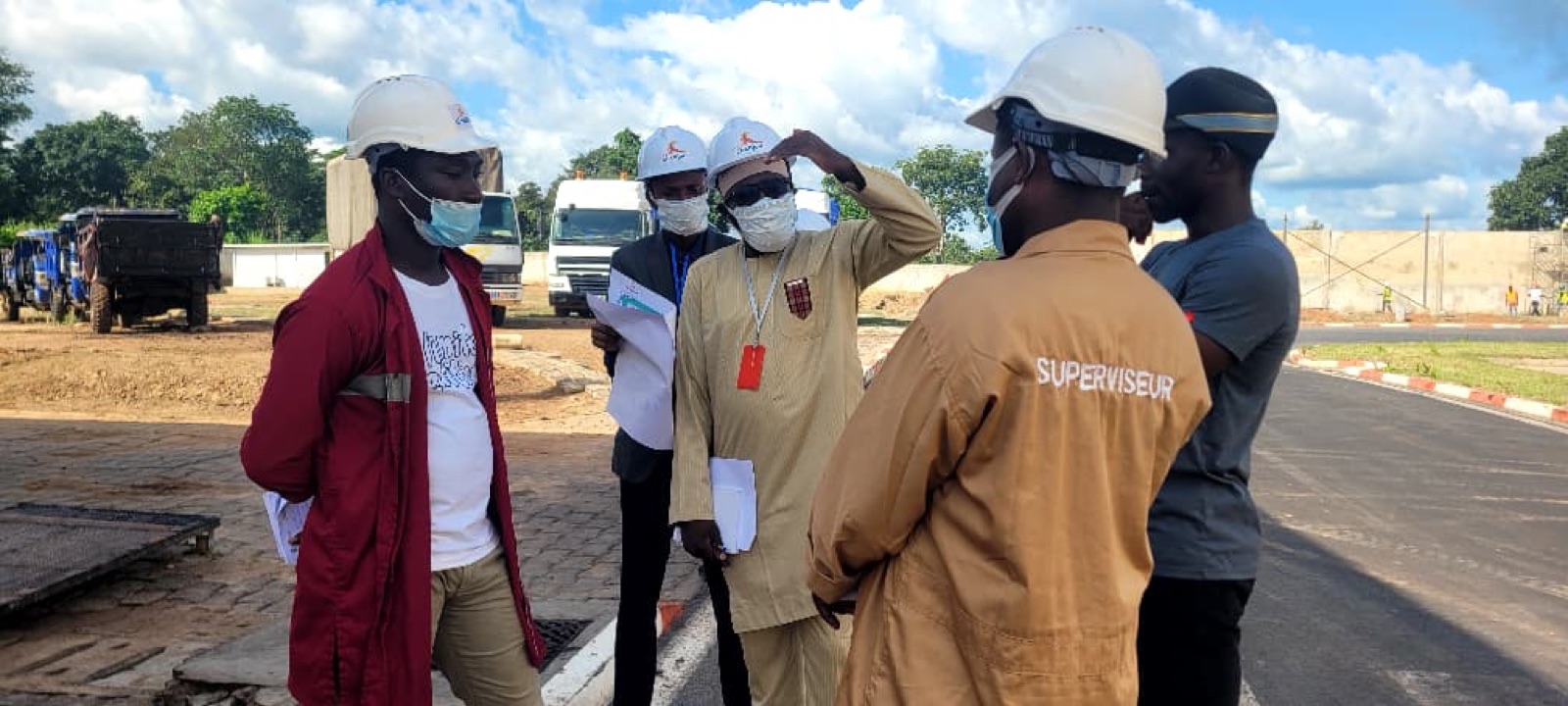
What our auditors check
Materials: animal or plant origin, processed ingredients, additives and processing aids.
Slaughter: the animal’s health and position, bleeding, pronouncing the name of Allah, competence of the slaughtermen.
The system: separation of flows, cleaning, traceability and document control.
Monitoring after certification
Follow-up audits
At least one follow-up audit a year, supplemented by unannounced checks.
Declared changes
Any new product, ingredient or supplier is declared to us before it goes on the market.
The seal, only on certified products
Any misuse leads to suspension of the certificate and legal action. Rules of use
Verifiable by everyone
Your certificate appears in our public register and its QR code opens its record in real time.
Frequently asked questions
Is your certificate recognised worldwide?
Yes. The Halal Côte d’Ivoire certificate is recognised worldwide because it is based on the reference halal standards: SMIIC 1 of the Organisation of Islamic Cooperation (57 member countries), GSO 2055 of the Gulf countries and MS 1500 of Malaysia.
- Halal Côte d’Ivoire is a member of SMIIC, the World Halal Council, CLACH and AICHA.
- Within AICHA, our certificates are mutually recognised by our partner bodies in Senegal, Mali, Burkina Faso, Niger, Togo, Benin and Guinea.
- It opens markets in West Africa, the Middle East, Asia and Latin America.
- Every certificate is entered in the public register and can be verified online by its number or QR code.
How much does certification cost?
The fee depends on the size of the site, the number of products and the sector. Send your request: we will send you a detailed offer.
Do you certify restaurants and butchers?
Yes, through a numbered approval and unannounced checks. See the “Our brand” page.
How does a customer verify my certificate?
By scanning your certificate’s QR code or searching for your company on the “Check a certificate” page.
What happens if a product carries our seal without being certified?
Misuse of the label is prosecuted. Report any suspicious product to us.
Want to have your products certified?
Our auditors reply within 48 working hours.